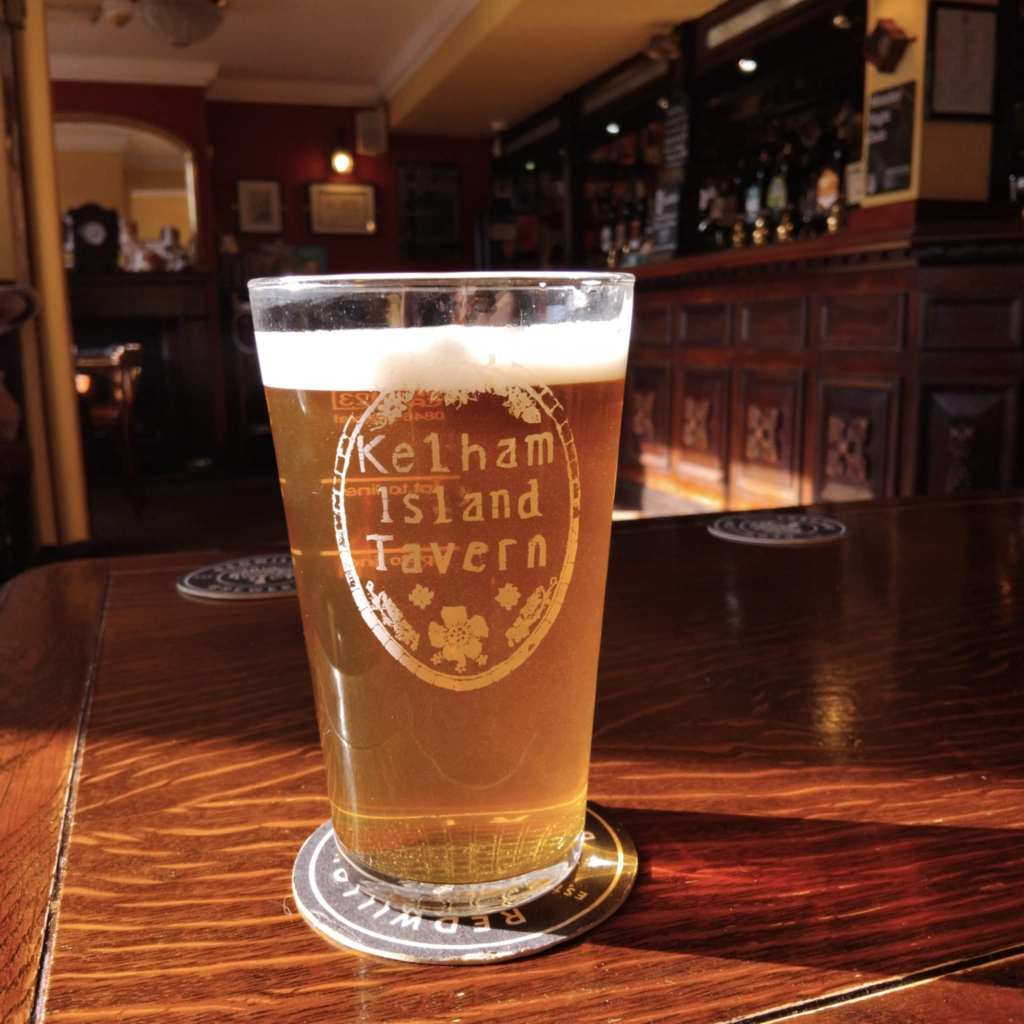
PINTS
5. Kernel – Brown Ale (The Harlequin, Sheffield)
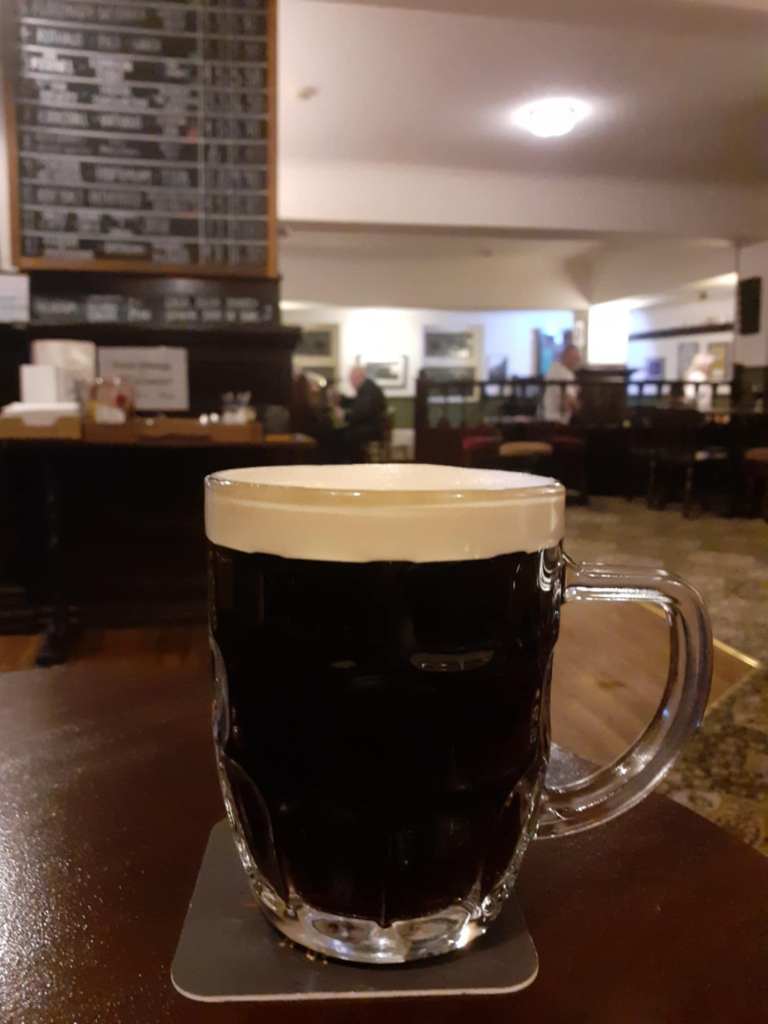
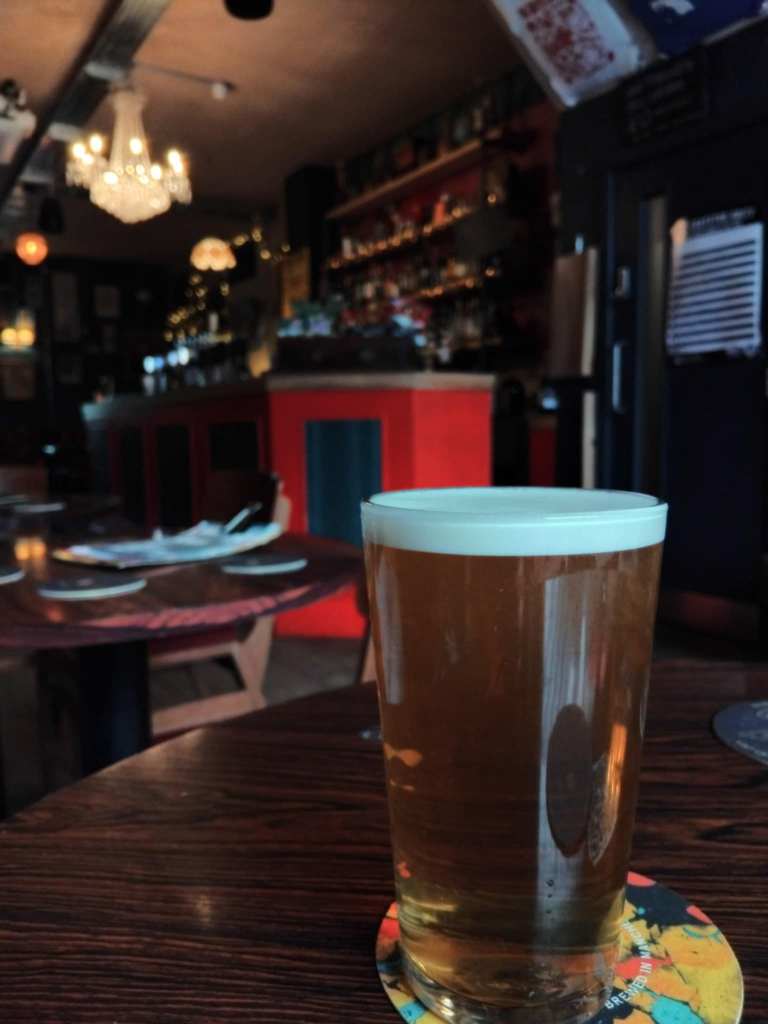
On the 5th of January I posted this picture alongside a caption that read “early contender for pint of the year? Could well be.” And a contender it was, an exceptional brown ale, the colour of dark treacle, excellently balanced between the sweet malt and the bitter hops, with a surprising and pervasive dryness throughout.
4. Harvey’s Best – The Black Prince (Vauxhall, London)
When I look back over a year’s imbibing, some pints distinguish themselves not because of the liquid itself but because of the context that the pint was consumed in. Last year it was a pint of Guinness with my mom in The Peveril of the Peak, this year it’s a pint of Harvey’s Best with best friend and his dad, on his ‘stag-do’. I travelled to and from London in a day to be there, something I would do for a very select handful of people, and it was worth it. I am a Harvey’s Best enjoyer, but it was particularly perfect in this context, extremely suppable, and just the right amount of unremarkable, allowing me to focus on enjoying the company of those around me. This is the only pint I don’t have a picture of and that feels apt, too caught up in the moment to concern myself with such things.
3. Fyne Ales – Jarl (The Crow Inn, Sheffield)
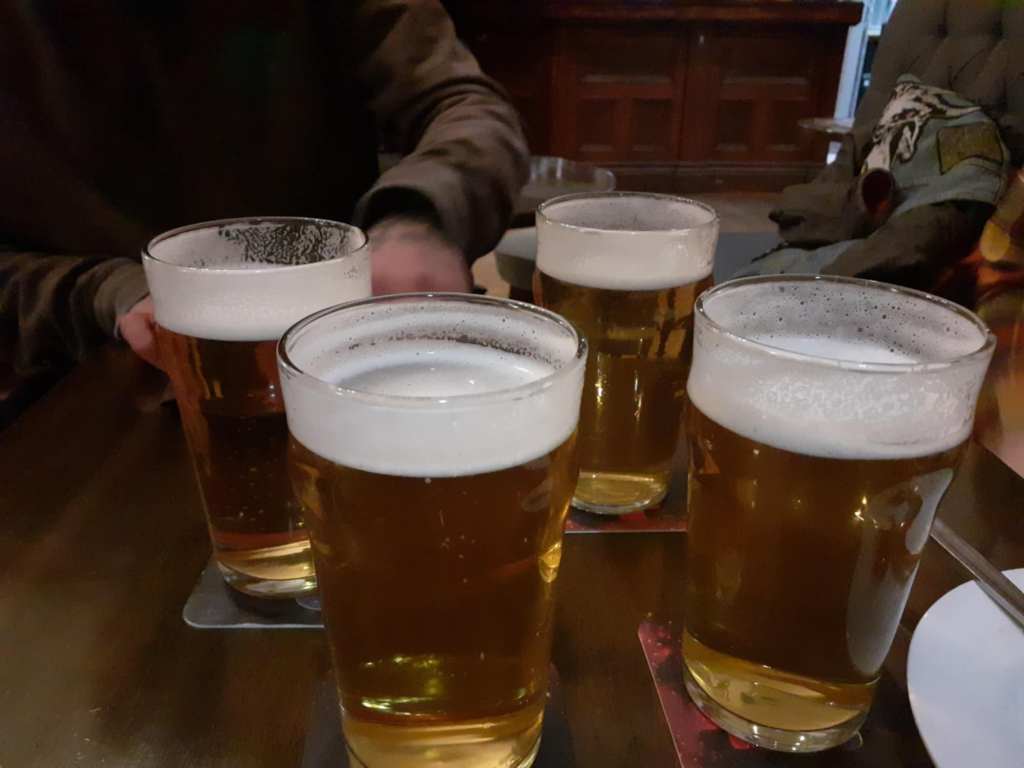
If it seems a little self indulgent to include a beer served at the pub I currently work at, that’s because it is, and will only become more so when I give my reason why. These pints, and I say pints because there were several, have a strong claim to be the best conditioned pints I’ve drank all year. A big claim I know, but one I genuinely believe. I adore Jarl and have supped many a jar of it this year, but the memory of these particular pints, drunk merrily with friends, linger in the mind like the beautiful lacing clinging to our emptied glasses.
2. St. Mars of the Desert – Cone (SMoD Taproom, Sheffield)
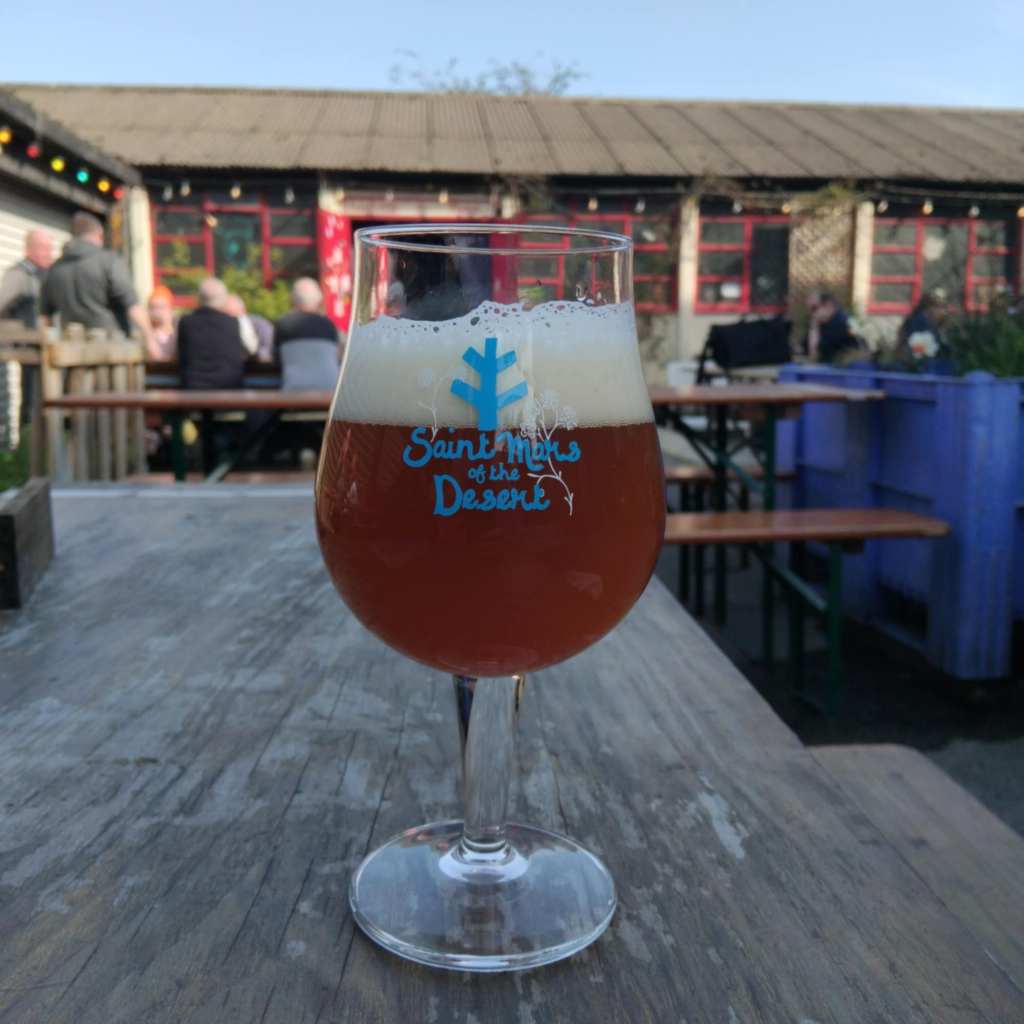
The beer on this list that I most regret not drinking more of, I think I had two halves of it on the day that I took this picture, I should’ve stayed for more, to hell with prior engagements. I am a slut for chinook hops, as the top two of this list betrays, but what made Cone so perfect was how its flavours reflected the ambient conditions of early April. The blend of sweet malt and refreshing piney bitterness, harmonious with the way the warm sun kissed my skin on a crisp spring early afternoon. I could have and should have drunk more of it.
1. Goose Eye – Chinook (The Grayston Unity, Halifax)
Not as impressive as Cone, as well kept as Jarl, or as sentimental as Harvey’s Best, but when it came to dishing out my Gold medal, I decided that novelty was an important trait. I had never been to Grayston Unity, or Halifax for that matter, moreover I had never heard of Goose Eye brewery before. Being in surroundings that were alien to me, I somewhat cynically and unfairly followed my usual logic of, when unfamiliar with a venue’s cellarmanship, choosing the beer with the metal pump clip as it is likely a permanent fixture and therefore likely to be turning over at a decent rate. I had set a low bar and the beer soared clear over it, bursting with flavours of pink grapefruit, which brought a pleasant bitterness, but nothing so intrusive as to interrupt the quaffability of a refreshing session beer. On my second visit I was so looking forward to drinking it again that in my excitement, I threw my pack of poppadoms down on the table, forgetting about the tealight in the centre of the table that proceeded to set the foil packet ablaze, much to my horror and to the amusement of my friends. I spent most of my pint, avoiding the gaze of the bar staff who were trying to figure out where the burning smell had come from, whilst shovelling lightly charred poppadoms into my gob.
BOOKS (FICTION)
5. The Defense (aka Luzhin’s Defense) – Vladimir Nabokov
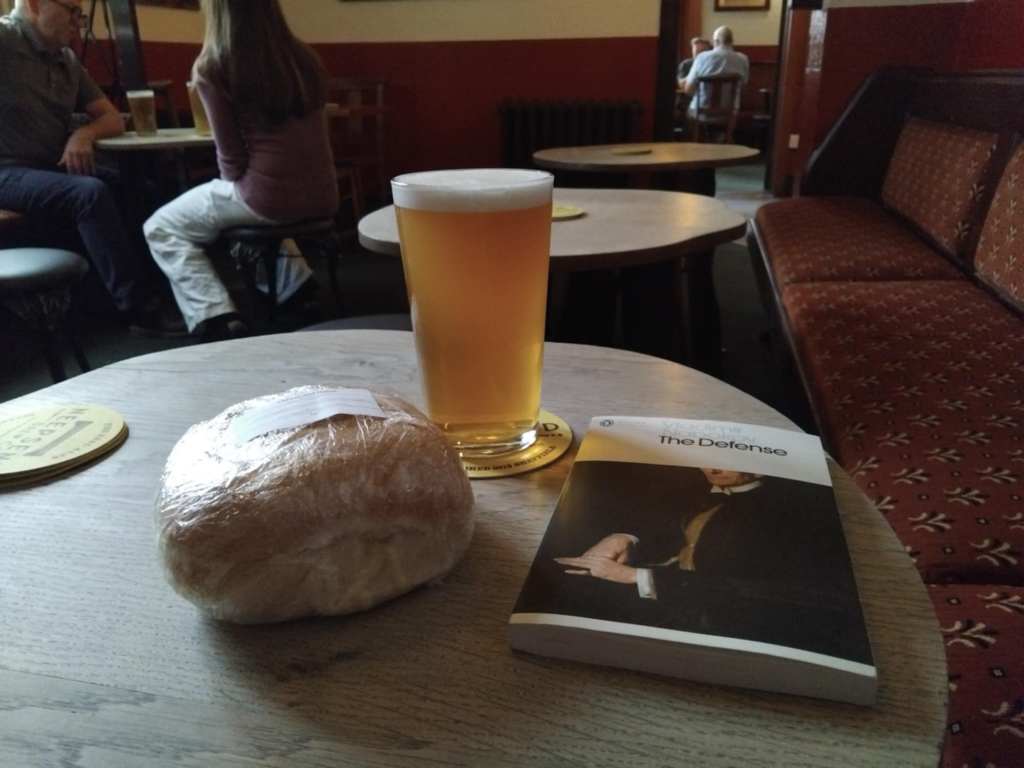
Suitably, over a game of chess, a friend recommended The Defense to me, as I had been describing to him my love of another novel, with similar themes, that I had just finished. In brief, The Defense follows Luzhin, an unlovable child chess prodigy, who falls just short of reaching the absolute peak of his discipline and begins a steady descent through obsession, madness and finally ruin. The most impressive thing about this book is how much you come to care for Luzhin, despite him being on all accounts a vulgar, pitiful creature with very few redeemable features. Whilst Nabokov is keen to point out Luzhin’s many faults he does so with language that subtly denotes a degree of warmth towards the subject, the same way one may talk about an old decrepit dog.
4. Goodbye To Berlin – Christopher Isherwood
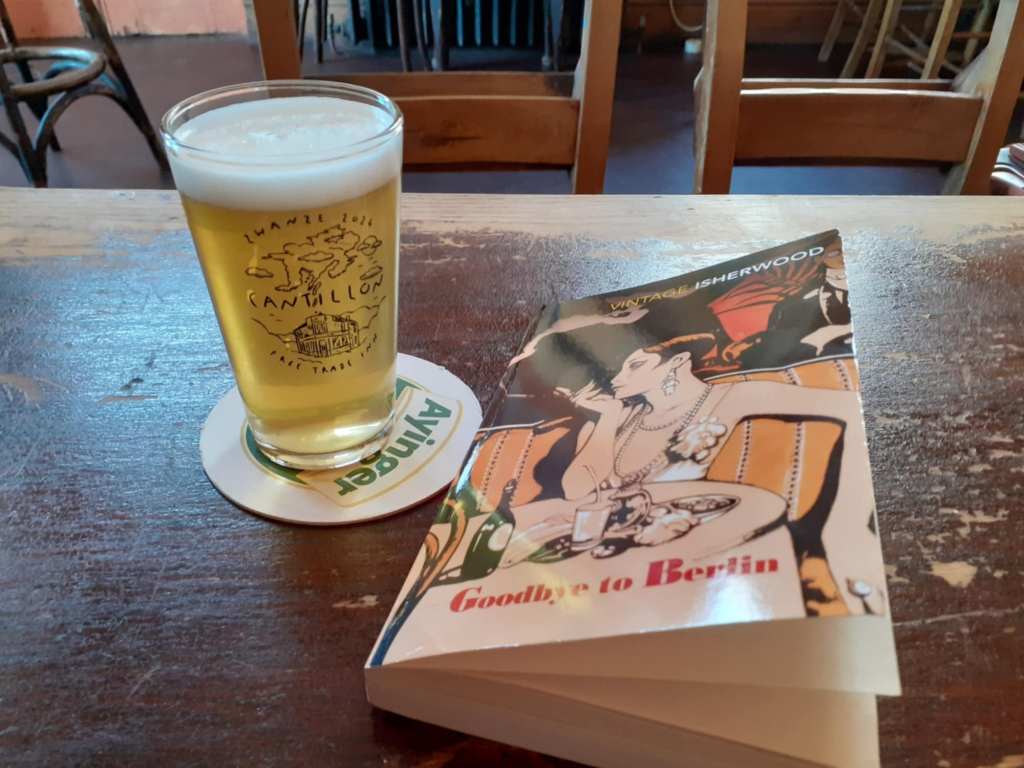
A Single Man by Christopher Isherwood has a strong claim to be my favourite book, and so I was looking forward to reading Goodbye To Berlin. It didn’t disappoint. Whilst fictional, the novel draws heavily on Isherwood’s own experiences as a British tourist in Berlin on the eve of the rise of Nazism, and offers up various tableaus of a society in decay, desperately seeking redemption and ultimately salvation. The novel’s sometimes eccentric characters drip with colour in what is otherwise a bleak, achromatic setting, which only makes our fore knowledge of what is in store for them, even harder to swallow. Beautiful and tragic.
3. The Song of Achilles – Madeline Miller
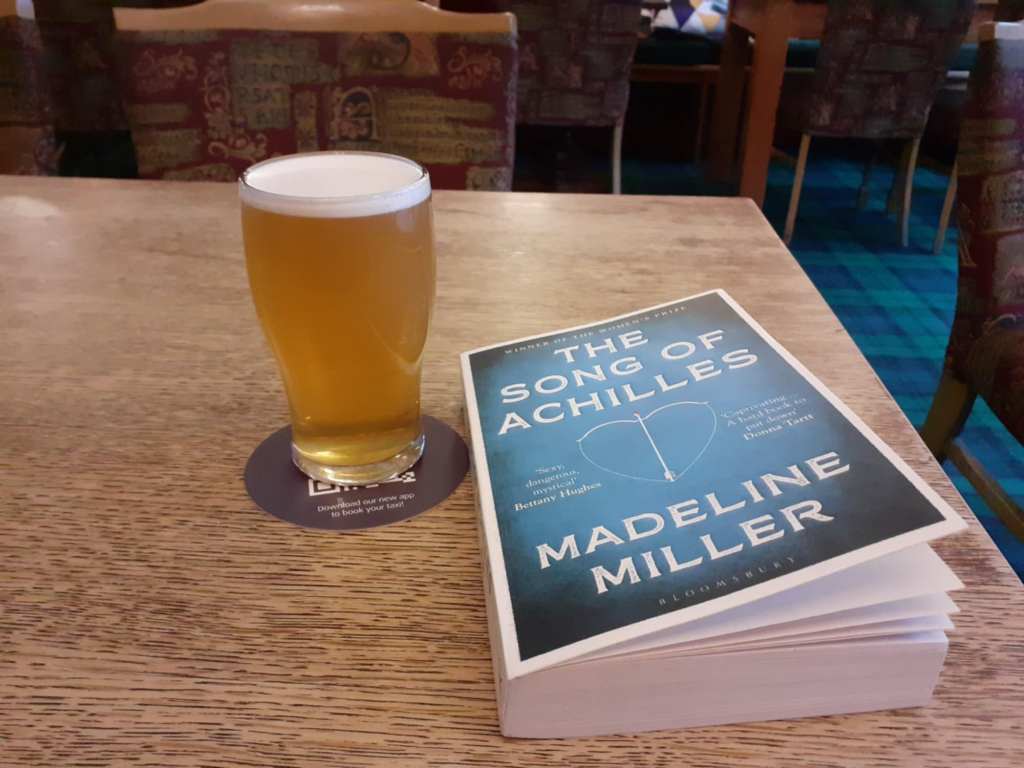
The highest praise I can give this book is that it feels like a 21st century iteration of Mary Renault, the queen of historical fiction. Someone once described this book to me as a queer retelling of the Iliad, I prefer to say that it’s a modern retelling of the Iliad, with the quiet parts said out loud. I have read and enjoyed the Illiad, but it’s not a task I would recommend to others, this feels far more digestible to a modern audience who want a run through of the main plot points, without having to sit through the entire cataloguing of ships, which remains the most futile reading experience of my life. Even knowing the plot, as I did, I couldn’t help but shed a tear in the penultimate chapters, and I can imagine that if you went into the book blind that you might find yourself in floods in the final throws.
2. Death In Venice – Thomas Mann
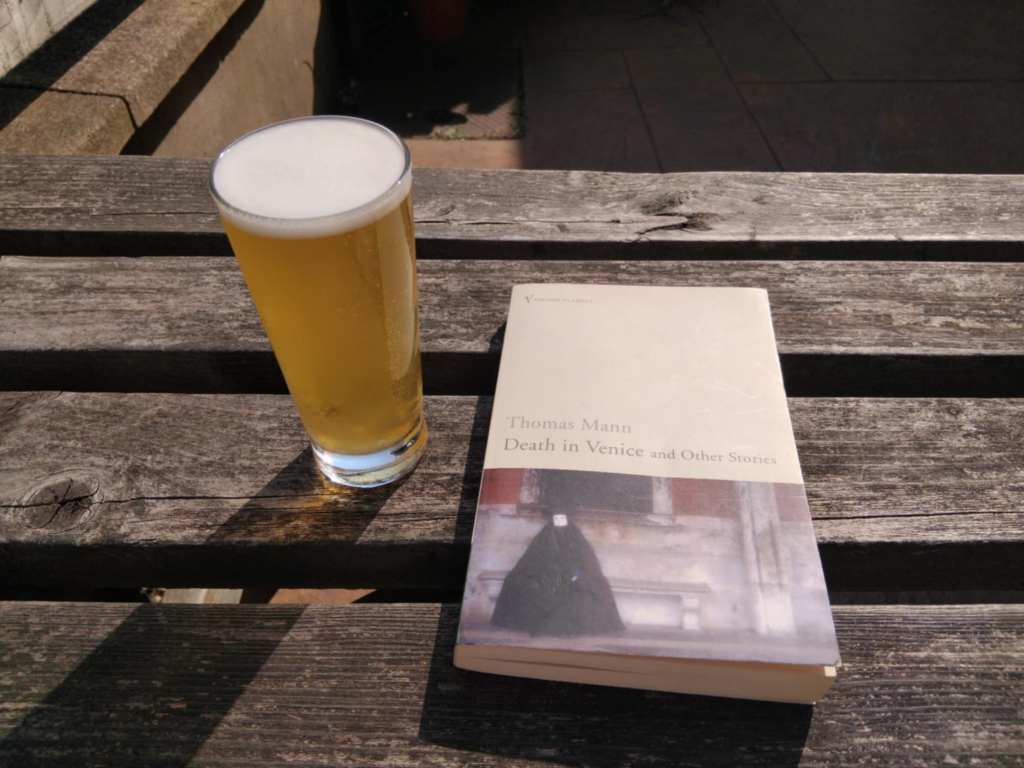
Deciding between this and the book that has ended up my number one, was extremely difficult. I will say now that this is the better piece of writing, it explores the depravity of man right down to its core, in a way that no other novel I have read has been capable of. The story follows a Silesian author, who breaks from his ascetic lifestyle to holiday in Venice, where he becomes enamoured with a young boy called Tadzio. Through masterful storytelling the novel follows the man’s degrading spiral from ennobled author to disgraced pederast, the creep of the city’s plague reflecting the man’s own decay of morality and decency. I read this novel as part of an anthology of short stories from Thomas Mann and I was taken with not only his style of writing, but his subjects; often respected men, brought low by the basest of desires. His stories managed to explore the most debauched and unpalatable aspect of man, in sublime opposition to their oft austere context.
1. Drive Your Plow Over the Bones of the Dead – Olga Tokarczuk
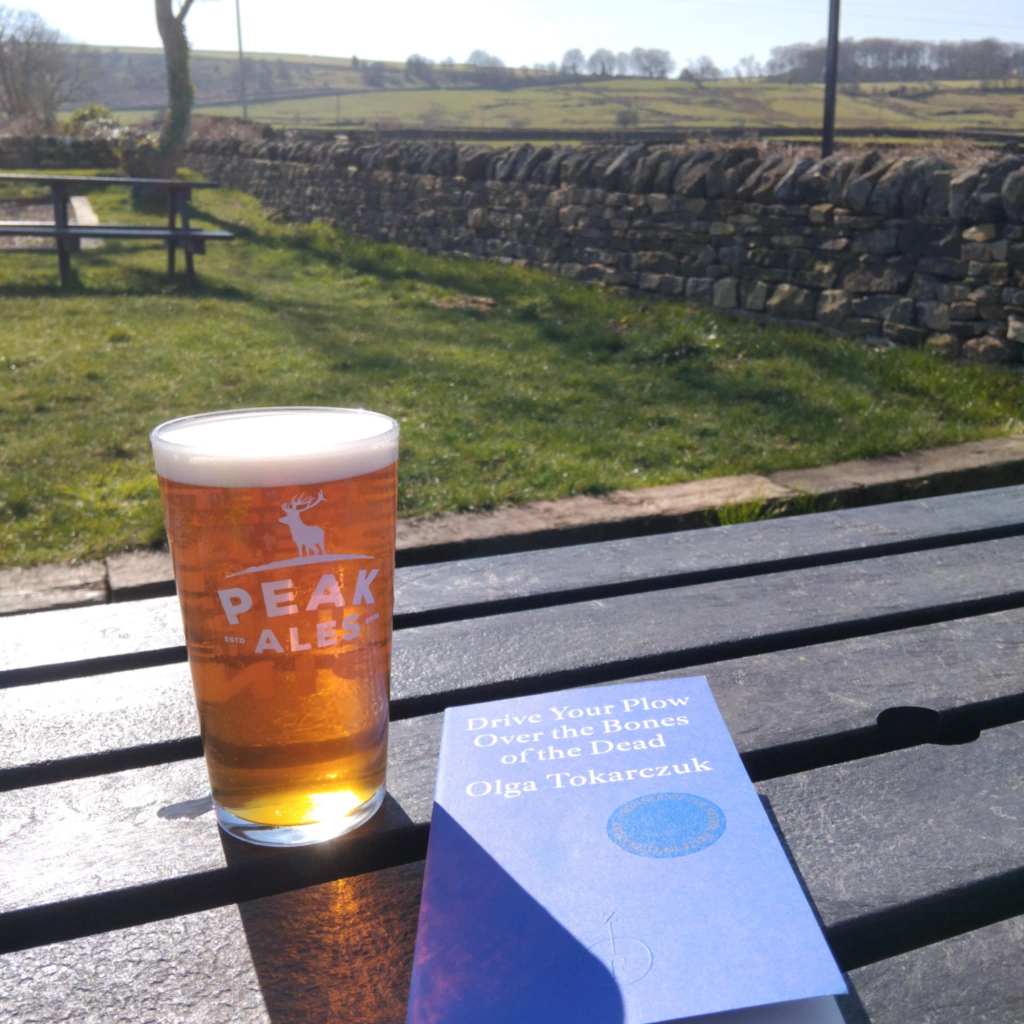
I have two reasons as to why this book beat Death In Venice to the top spot. One is that it is the more recommendable and accessible book of the two, the subject matter being slightly less controversial and the story being less tangled up in allegories for classic Greek literature. The second is that in reading it I have been led to a writer that I have come to regard as one of my absolute favourites, and whose books I will seek out at every opportunity. Drive Your Plow… follows Janina, an older woman in a rural polish village, whose mysticism leads her to draw supernatural parallels to the happenings in her village. It’s the perfect example of the unreliable narrator trope and leans on the reader’s tendency to progressiveness to enlist their trust in the protagonist. I read Tokarczuk’s ‘House of Day, House of Night’ consequentially, and whilst the two novels are drastically different, they both shared the author’s propensity to produce stunningly beautiful prose, the chaotic nature of which discloses the true nature of its intention.
BOOKS (NON-FICTION)
5. Alexander – Klauss Mann
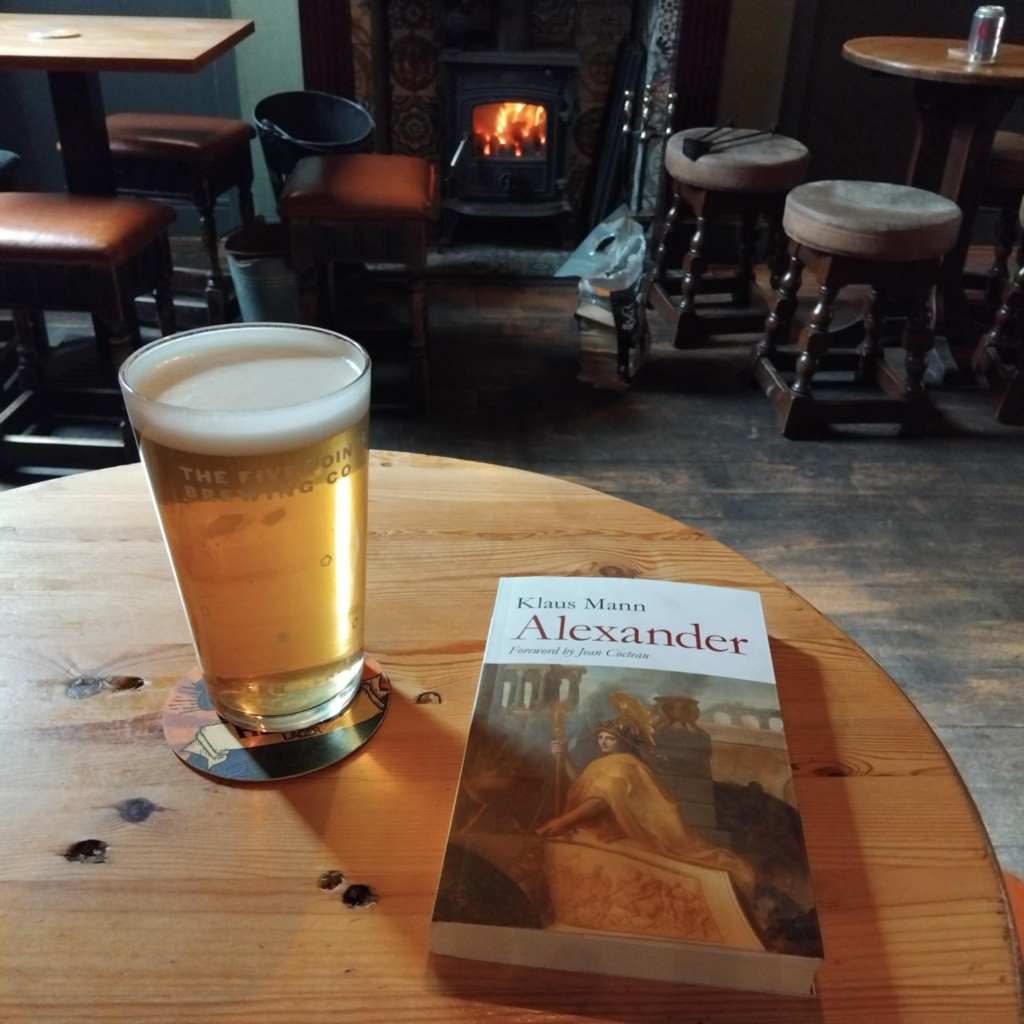
There isn’t a great deal interesting to say about this book, other than it being a thoroughly well researched and well written account of the life and death of Alexander The Great. The creep of books such as this into my top fives probably better reflects my slide into my middle age rather than anything particularly interesting about the novel itself. The only thing fun to note is that Klauss Mann is the son of Thomas Mann, who places second in my list of Fiction books.
4. Revolutionary Acts – Jason Okundaye
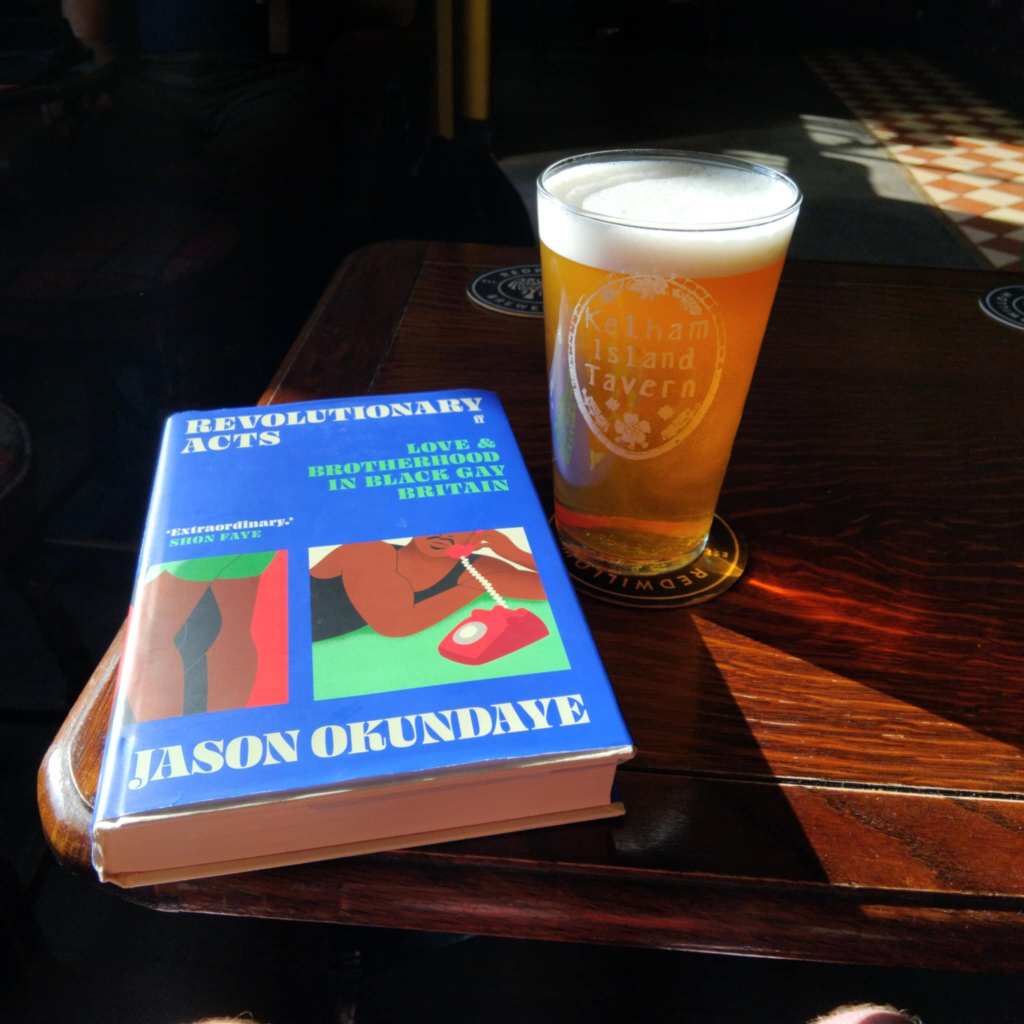
An excellently written and well researched book, delivered via a series of interlinking interviews and conversations. The book focuses on the lives of six radicals who are instrumental in defining what it means to be black, gay and British before the turn of the century. Okundaye masterfully navigates a plethora of topics from the sordid and gossipy, to the macabre and tragic, without the sort of abrupt tonal shifts that can so easily wrench readers back to reality. Okundaye is doing vital work, in making sure these pivotal parts of black and queer history are both given the spotlight they deserve, and are preserved for future generations.
3. Nina Simone’s Gum – Warren Ellis
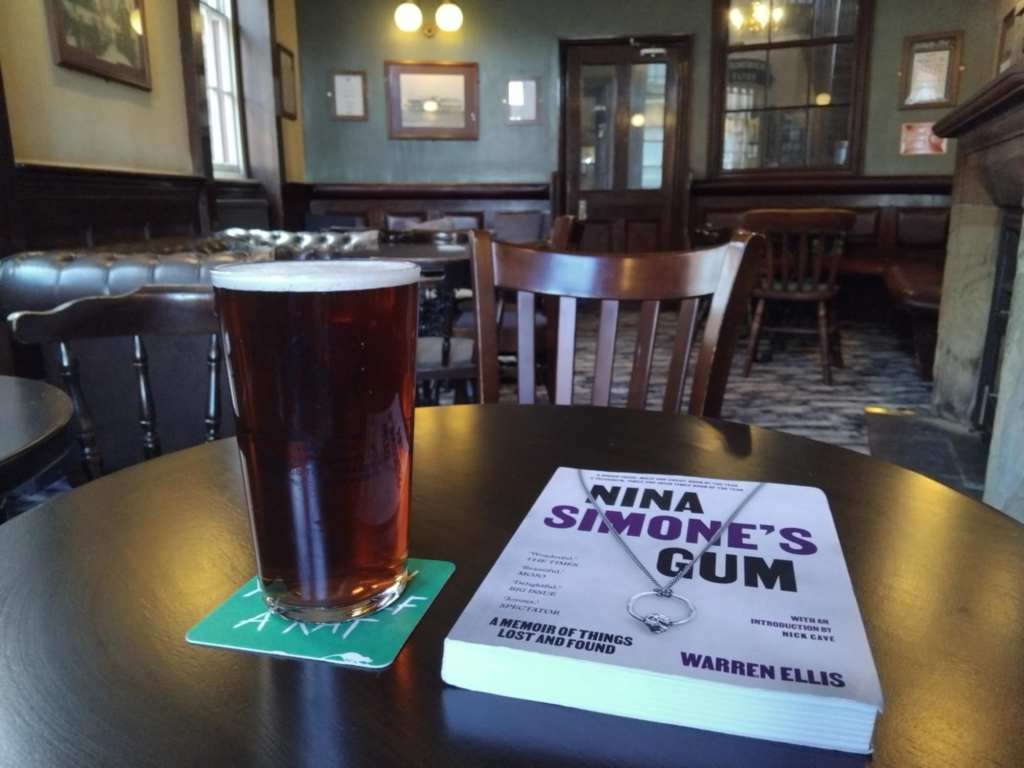
A fantastic tale about a musician finding a piece of gum belonging to Nina Simone stuck to piano after she had just been on stage, and being awestruck at this tiny piece of trash that had touched genius, The book is a stunning exploration of reverence and the incalculable value of the seemingly ordinary. In a world that increasingly knows only the price of everything and the value of very little, the wisdom that this book imparts has never been more important.
2. Notes on Camp – Susan Sontag
Ok this is more of an essay than a book per say, but more so than any writing on this list, this short essay has provoked some of the most stimulating conversation I’ve had all year. Originally picked up for writing research purposes, I became slightly obsessed with not just how well Sontag understood the notion of camp, but how skilled at articulating it she was. Reading ‘Notes on Camp’ broadened my own boundaries on the matter, which then were blown wide open by subsequent passionate discussions with friends. I have since purchased more of Sontag’s writing, which I will be very keen to get stuck into in the new year.
1. Arrangements in Blue – Amy Key
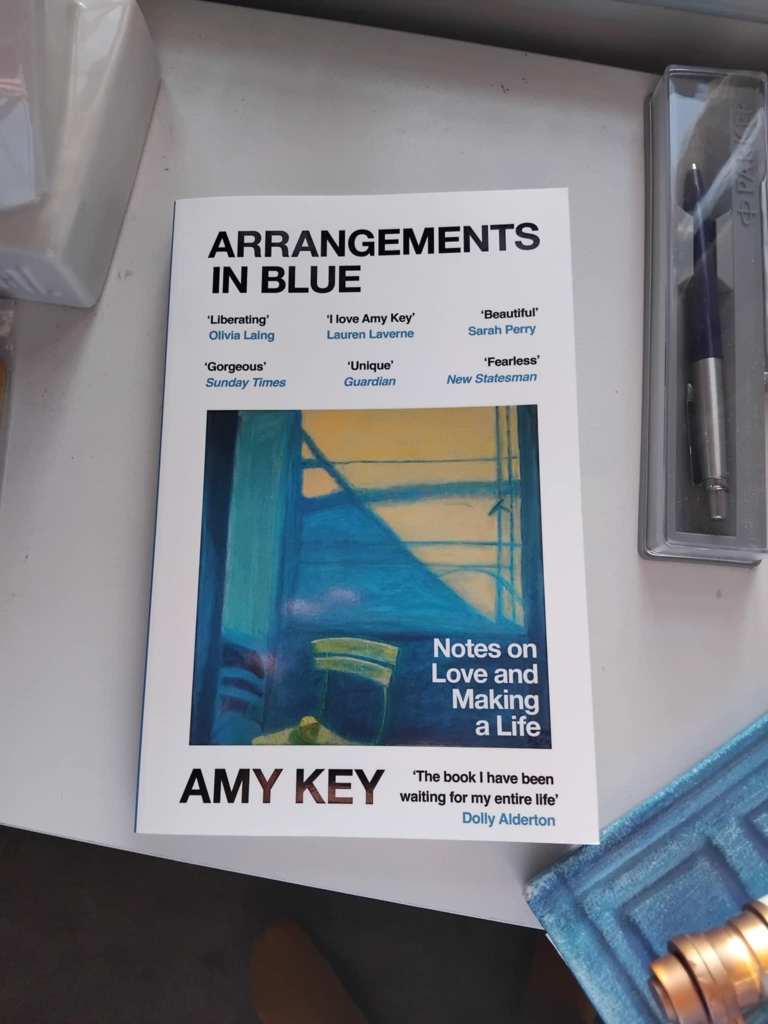
Never has a book felt so personal to me. In Arrangements in Blue, Amy Key explores a life lived estranged from romantic love, through the lens of Joni Mitchell’s third album ‘Blue’. Blue is my favourite album, and I have always identified as someone who is aromantic, so it is easy to see why this book might hit a bit hard for me. After reading this book, I am unsure as to whether I would still identify as aromantic, such has been its impact. Although the book is deeply personal to Key, her vulnerability and honest self reflection, make what could otherwise be fairly niche personal experiences, surprisingly relatable to the reader. Key is a poet, and that shines through in her prose too, Arrangements in Blue is packed full of perfect similes and every single word feels deliberate. This is a book I will be revisiting every year for the rest of my life and if I were to produce a piece of writing even 20% as beautiful as this, I could die happy.
BEST BOOK AND DRINK PAIRING
Amy Key – Arrangements in Blue paired with Sierra Nevada Celebration IPA.
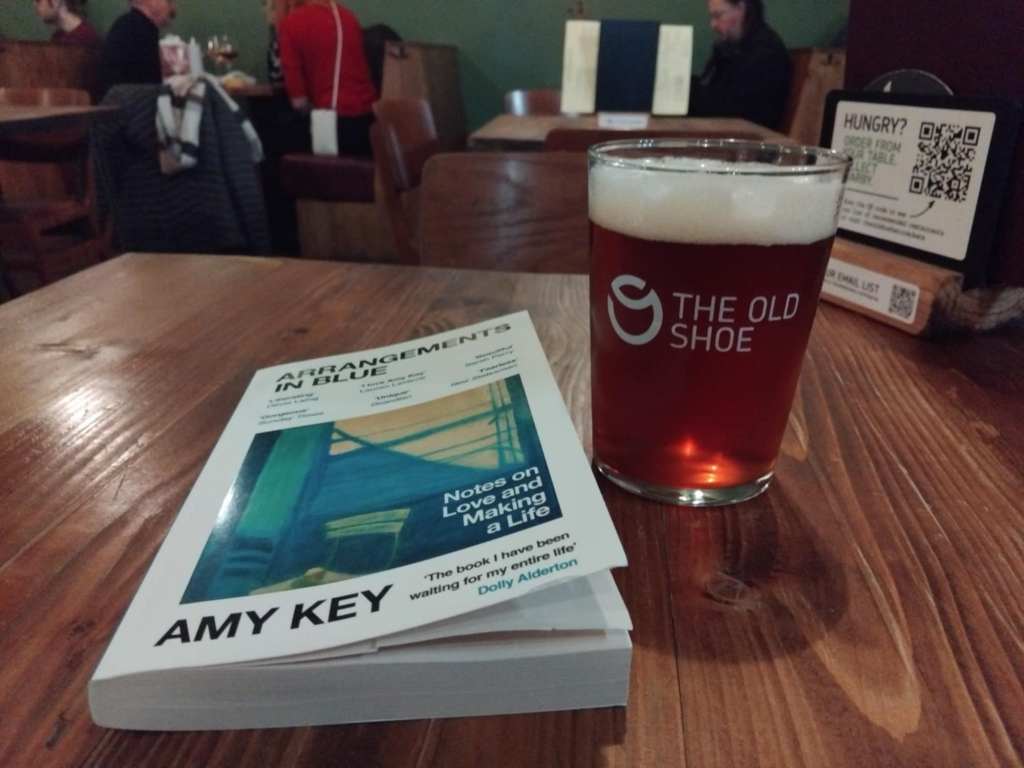
It felt kind of weird to pair this book with beer, when wine was far more the obvious choice. But drinking Celebration IPA whilst digesting the chapter of the book inspired by Joni Mitchell’s California felt so apt.
 8-Bits and Bobs
Leave a comment